Quality &
Reliability
Our PRP product is CE-marked and certified according to EN ISO 13485. It is currently classified as a Class IIa medical device under the MDD (93/42/EEC) and is in transition to the MDR (EU) 2017/745, Class IIb.Our PRP product is certified in accordance with EN ISO 13485 and is classified as a Class IIa medical device under Directive 93/42/EEC.
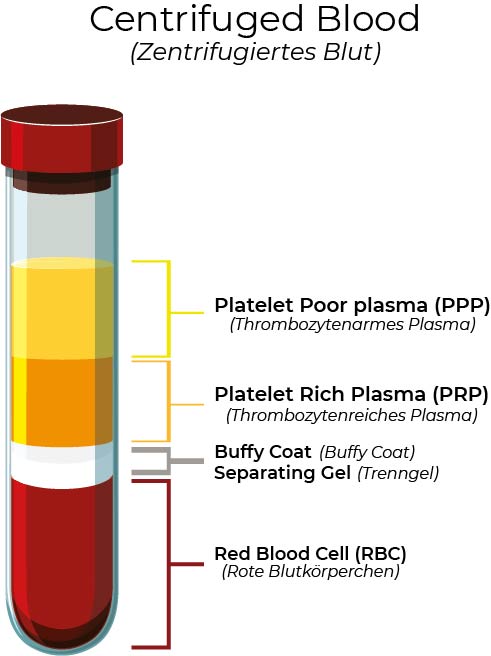
Platelets are subcellular components that occur naturally in our bloodstream. During their short life cycle of 5–6 days, they contribute to blood clotting and support healing at injury sites. They contain so-called “granules,” which are collections of small protein messengers—known as “platelet growth factors.” Studies have shown that these messengers can activate repair processes in certain tissues. By taking a small amount of your blood and processing it to obtain platelets, a high concentration of these valuable components can be generated, which can then be introduced into the required areas.
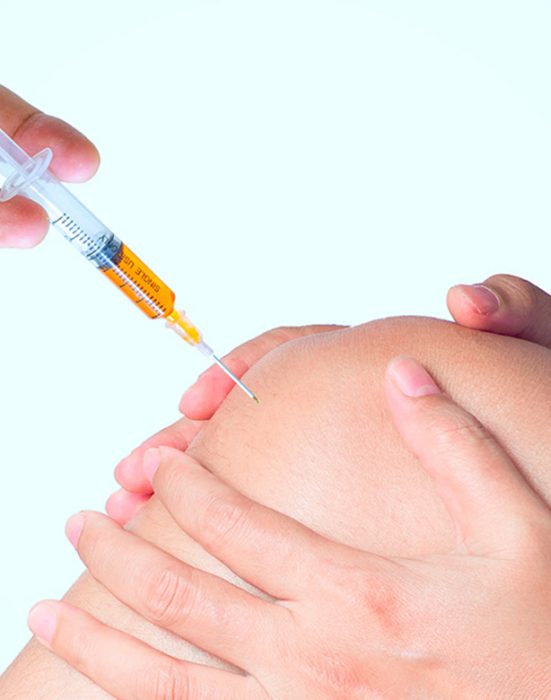
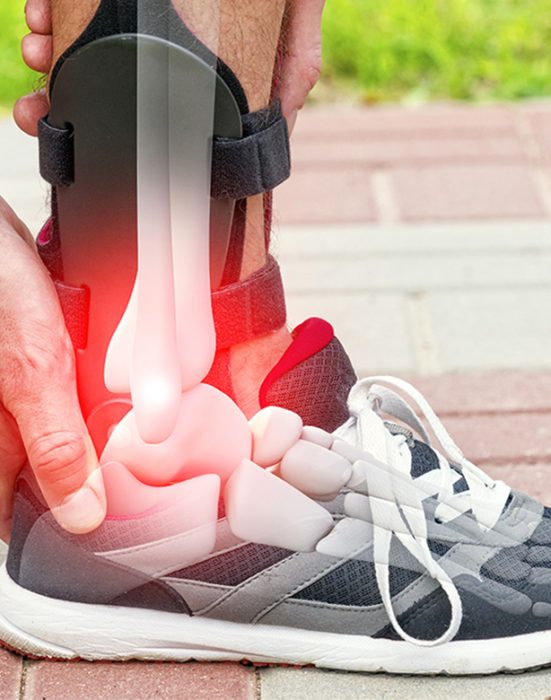
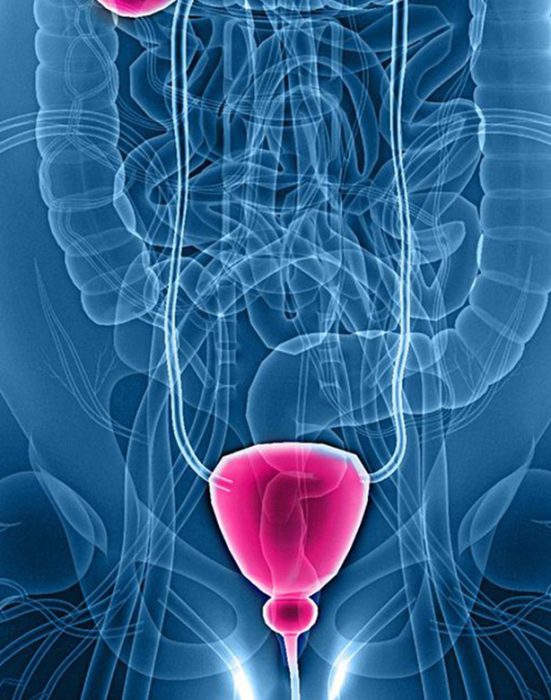
There are various areas of the body that can be treated with platelet-rich plasma (PRP) therapy. PRP is gaining increasing importance in medical fields such as aesthetic medicine, trichology, orthopedics, sports medicine, urology, gynecology, and stomatology.
The platelets contain numerous growth factors that contribute to cell regeneration and give PRP its regenerative potential. Depending on the area of application, PRP is applied into or under the skin or into deeper tissue using various methods.
Platelet-rich plasma (PRP) was developed in the late 1990s by Robert E. Marx, Professor of Surgery and Head of Oral and Maxillofacial Surgery at the University of Miami. He found that PRP—plasma can significantly accelerate bone healing and increase bone density. After activation, the platelets release growth factors such as PDGF, TGF-Beta, VEGF, EGF, and IGF-1, which stimulate cell division and support tissue repair and regeneration.
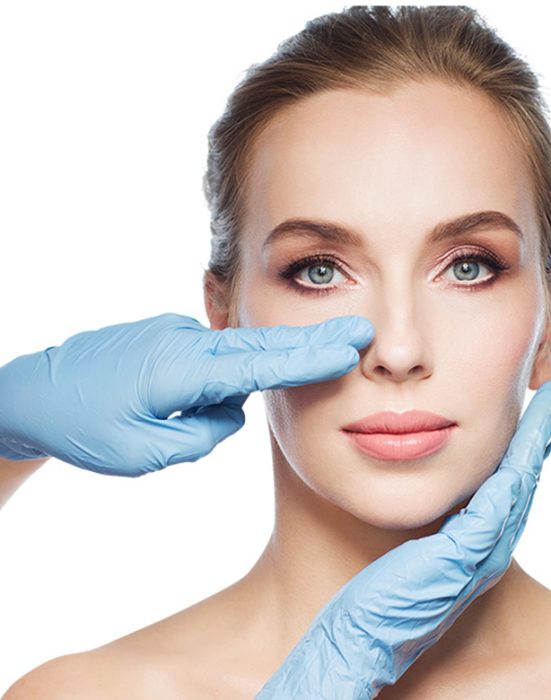
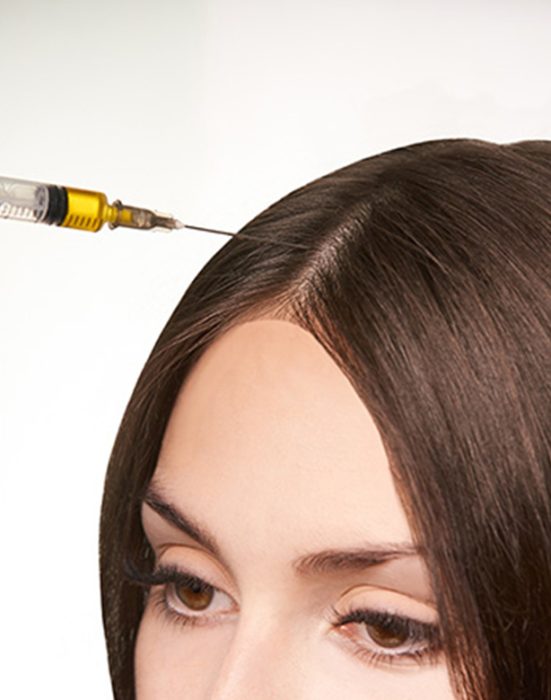
In aesthetic medicine, PRP—often referred to as a "vampire" or "Dracula lifting"—is used to support regenerative processes in the skin and promote collagen formation. This can improve the skin's appearance, which may manifest as a more even skin texture and a reduction in fine lines. In addition, PRP is used for hair loss in men and women and can support hair growth, provided the hair follicles are still active.
Since PRP is derived from the patient's own blood, the risk of allergic reactions or intolerances is very low. Moreover, it can be prepared and applied within 20 to 30 minutes.

- Federal Association of German Practitioners: https://www.bdh-online.de/1101.0.html Status: 03.09.2015
- Marx RE et al.: Platelet-rich plasma: Growth factor enhancement for bone grafts. Oral Surgery, Oral Medicine, Oral Pathology, Oral Radiology and Endodontology. June 1998; 85 (6): 638–646.
- Amgar G et al.: Use of objective criteria to evaluate cosmetic effects of platelet-rich plasma. PRIME. 2011; 1 (6): 31–41.
- Greco J., Brandt R.: The effects of autologous platelet plasma and various growth factors on non-transplanted, miniaturized hair. Hair Transplant Forum International. 2009; 18 (2): 49–50.